The Benefits of Interactive Classroom Activities
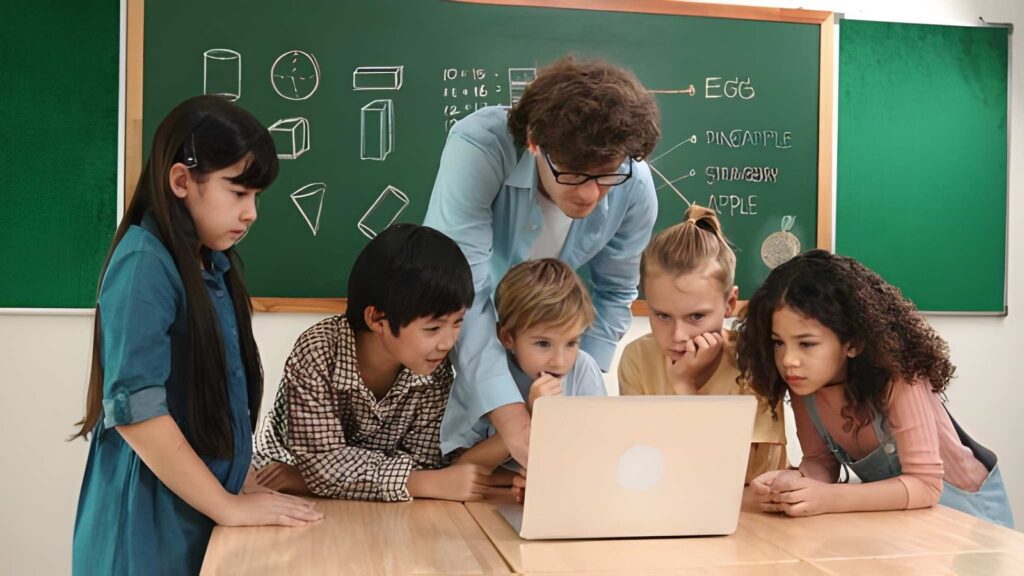
Interactive classroom activities have become an TG88 com essential part of modern education. Instead of relying only on lectures, teachers are increasingly using discussions, games, group projects, role-playing, quizzes, hands-on experiments, and digital tools to make learning more engaging. These activities encourage students to participate actively in the learning process rather than simply listen and take notes.
In today’s classrooms, students need more than memorization. They need critical thinking, communication, collaboration, creativity, and problem-solving skills. Interactive classroom activities help develop these abilities while making lessons more enjoyable and meaningful. Whether used in elementary school, high school, or higher education, interactive learning can improve student engagement, understanding, and confidence.
What Are Interactive Classroom Activities?
Interactive classroom activities are teaching strategies that require students to take an active role in learning. These activities can include group discussions, educational games, classroom debates, peer teaching, problem-solving tasks, science experiments, role-play, brainstorming sessions, interactive quizzes, and technology-based learning tools.
The goal is to create a two-way learning environment. Instead of the teacher being the only source of information, students contribute ideas, ask questions, share experiences, and work together. This approach makes the classroom more dynamic and encourages deeper learning.
Improved Student Engagement
One of the biggest benefits of interactive classroom activities is increased student engagement. When students are actively involved, they are more likely to pay attention and stay interested in the lesson. Traditional lectures can sometimes cause students to become passive or distracted, especially if the topic is difficult or lengthy.
Interactive activities make learning more exciting. For example, a history lesson can become more memorable through a classroom debate or role-playing activity. A math lesson can feel less intimidating when students solve problems in teams or use interactive games. When students enjoy the learning process, they are more motivated to participate and succeed.
Better Understanding and Retention
Interactive learning helps students understand and remember information more effectively. When students participate in activities, they are not just hearing information—they are applying it. This active involvement helps strengthen memory and comprehension.
For example, students learning about the water cycle may remember the concept better if they create a visual model or perform a group demonstration. Students studying vocabulary may retain new words more easily through games, storytelling, or peer practice. By connecting lessons to real experiences, interactive classroom activities make knowledge more meaningful and easier to recall.
Development of Critical Thinking Skills
Interactive classroom activities encourage students to think deeply and solve problems. Many activities require students to analyze information, compare ideas, make decisions, and explain their reasoning. These skills are important not only in school but also in everyday life and future careers.
Classroom debates, case studies, and problem-solving challenges are excellent ways to build critical thinking. Students learn to look at topics from different perspectives and support their opinions with evidence. This helps them become more independent thinkers and better decision-makers.
Stronger Communication Skills
Communication is a key skill that students need throughout their lives. Interactive classroom activities give students many opportunities to speak, listen, ask questions, and express their ideas clearly. Group discussions, presentations, and peer feedback activities help students practice both verbal and nonverbal communication.
These activities also teach students how to listen respectfully to others. In a collaborative classroom, students learn that different opinions and ideas can improve understanding. Over time, interactive learning can help shy or quiet students become more confident in sharing their thoughts.
Encourages Teamwork and Collaboration
Many interactive classroom activities involve working in pairs or small groups. This helps students develop teamwork and collaboration skills. They learn how to share responsibilities, respect different viewpoints, solve conflicts, and work toward a common goal.
Collaborative learning is especially useful because it prepares students for real-world situations. In most careers, people must work with others to complete tasks and solve problems. By practicing teamwork in the classroom, students build skills that will benefit them beyond school.
Increased Student Confidence
Interactive activities can help students build confidence in their abilities. When students participate in discussions, complete group tasks, or present their work, they gain a sense of accomplishment. Positive feedback from teachers and classmates can also encourage them to take more academic risks.
Students who may struggle with traditional tests or written assignments often benefit from interactive learning. These activities allow them to demonstrate understanding in different ways, such as through speaking, creating, acting, or problem-solving. This variety can help students recognize their strengths and feel more capable.
Supports Different Learning Styles
Every student learns differently. Some students learn best by listening, while others learn better through visuals, movement, discussion, or hands-on practice. Interactive classroom activities support a wide range of learning styles.
For visual learners, teachers can use charts, videos, diagrams, and digital presentations. For kinesthetic learners, hands-on experiments, movement-based games, and building activities can be effective. Auditory learners may benefit from discussions, storytelling, and verbal explanations. By using different interactive strategies, teachers can create a more inclusive learning environment.
Makes Learning More Enjoyable
A positive classroom environment can have a major impact on student success. Interactive classroom activities make learning more enjoyable by adding variety and creativity to lessons. When students have fun while learning, they are more likely to develop a positive attitude toward school.
Enjoyable learning experiences can also reduce stress and anxiety. Students may feel more comfortable asking questions and making mistakes when the classroom feels supportive and active. This helps create a healthy learning environment where students are encouraged to grow.
Helps Teachers Assess Student Progress
Interactive activities are not only beneficial for students; they also help teachers assess understanding. During group work, discussions, and activities, teachers can observe how students apply concepts and identify areas where they need support.
For example, an interactive quiz can quickly show whether students understand a topic. A group project can reveal how well students can use knowledge in a practical way. This immediate feedback helps teachers adjust their instruction and provide targeted support.
Conclusion
Interactive classroom activities offer many benefits for both students and teachers. They improve engagement, support better understanding, build communication skills, encourage teamwork, and develop critical thinking. They also make learning more enjoyable and help students gain confidence.
In a world where students need practical skills and active problem-solving abilities, interactive learning is more important than ever. By including activities such as group discussions, educational games, role-playing, hands-on projects, and digital tools, teachers can create a classroom Nạp tiền TG88 environment that is engaging, effective, and student-centered. Interactive classroom activities do more than make lessons fun—they help students become active learners who are prepared for future success.